
“I found a gold Pokémon card” is one of the most common messages collectors get - and the honest answer is always the same: it depends which gold card you have. The phrase covers everything from a genuinely valuable secret rare to a cheap metal souvenir stamped out by the thousand. Get the identification right and you might be holding a card worth hundreds; get it wrong and you might be treating a $5 novelty like a jackpot.
This guide sorts the three main things people mean by “gold Pokémon card,” tells you which are worth money, and shows you how to check what you actually have.
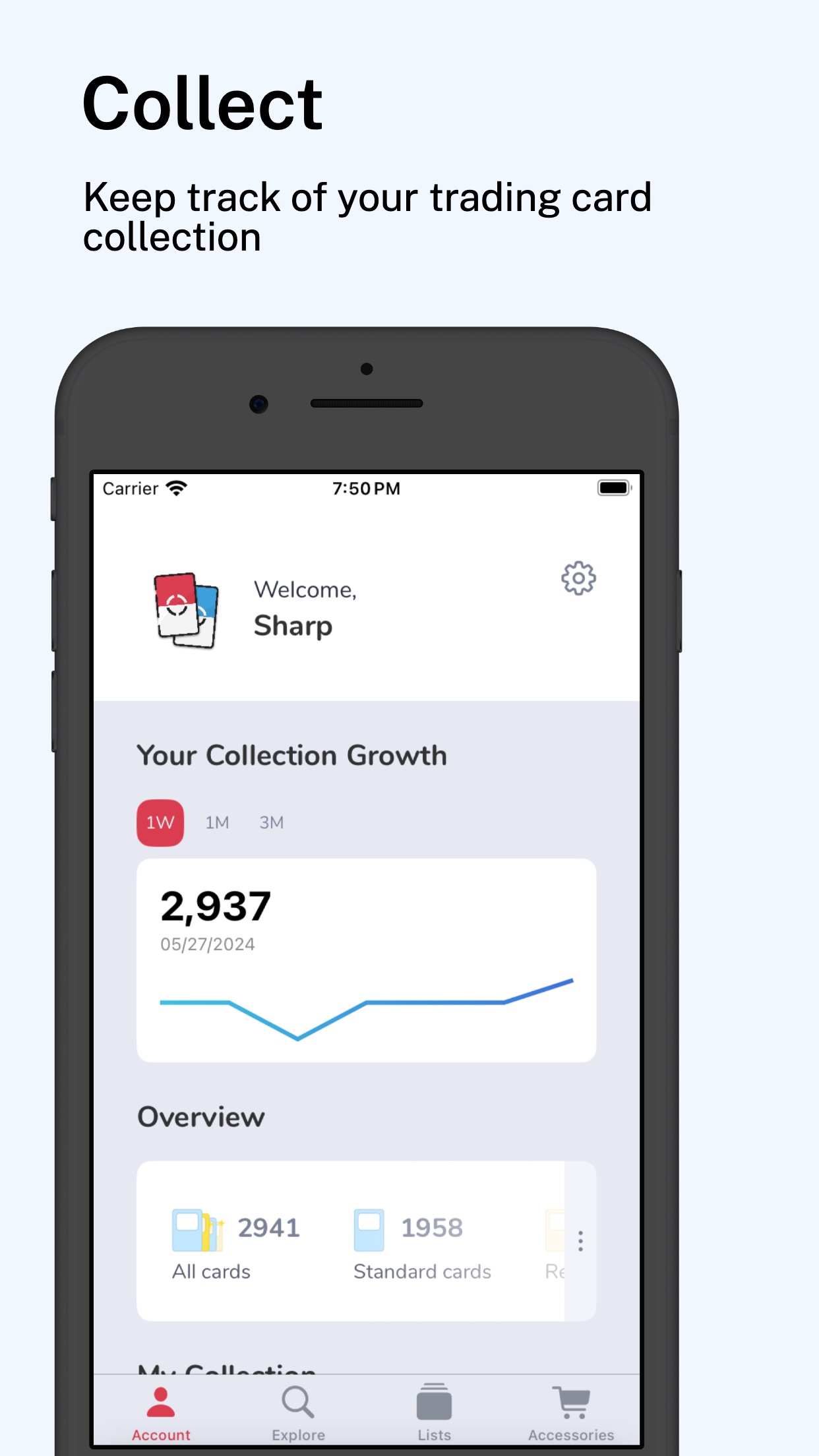
Got one? Scan it with TCG Companion to see its current market value and every graded tier in seconds.
The three kinds of “gold” Pokémon cards
When someone says gold card, they usually mean one of these, and the value gap between them is enormous:
| Type | Official? | Typical value |
|---|---|---|
| Gold secret rare / hyper rare | Yes | Moderate to high |
| Gold Star card (EX era) | Yes | High to very high |
| “24k gold” metal replica | No | Little to none |
Let us take them one at a time.
1. Gold secret rares (hyper rares)
These are the gold-etched cards that appear at the very end of a set’s numbering. A set might officially contain 165 cards, and the gold card will be numbered something like 170/165 - a number above the printed set total. That is the hallmark of a secret rare, and the gold versions are often called hyper rares.
Genuine gold secret rares have a shimmering, textured gold foil across the whole card. They pull at a very low rate, which is why they carry real value even for less famous Pokémon. Gold cards of hugely popular Pokémon - Charizard, Pikachu, and the like - sit at the top of this category. Our full breakdown of secret rare Pokémon cards explains the numbering system in detail.
These are official, chase-worthy cards. If yours has a set symbol, a collector number running above the set total, and standard card stock, you are in genuine-value territory.
2. Gold Star cards from the EX era
Some of the most coveted cards in the entire hobby come from the mid-2000s EX era, when Nintendo released Gold Star cards. These are not fully gold cards; the name comes from the small gold star printed next to the Pokémon’s name, marking a special alternate-color (shiny) version with a distinctive foil pattern.
Gold Star cards were pulled at extremely low rates, and the most famous examples - Gold Star Charizard and Gold Star Rayquaza among them - are legendary. In high grades they routinely clear five figures and can reach far higher for the best copies. If you think you have one, handle it carefully and check the market before doing anything else. We keep a dedicated guide to Gold Star Pokémon cards with the full roster.
Think it’s a Gold Star? Check what it’s worth across raw and graded tiers before you consider selling or grading.
3. The “24k gold” metal replica cards
Here is where the honesty matters. Search any marketplace and you will find shiny metal “24k gold” Pokémon cards sold in fancy display cases, often bundled as “Charizard gold card” or similar. They look impressive in photos. They are not official Pokémon TCG cards.
These are mass-produced novelty items. They are typically gold-plated or gold-colored metal, not playable cards, and they carry little to no collector value regardless of the price the seller lists. A few tells:
- Material. Real Pokémon cards are card stock. These are metal.
- No legitimate set data. They lack a proper set symbol, an authentic collector number, and the copyright line real cards carry.
- Sold in bulk. The same “rare” gold card is available from dozens of sellers simultaneously.
There is one nuance worth stating clearly: The Pokémon Company did release a tiny number of genuine 24k gold cards in Japan as premium collectibles, and those are legitimately rare. But they are nothing like the cheap replicas that dominate search results, and if you bought yours in a novelty case for a modest price, it is almost certainly a replica.
How to tell which gold card you have
Work through this quickly and you will know where you stand:
- Is it card stock or metal? Metal means novelty replica - stop here.
- Find the set symbol and collector number. Official cards have both. A number above the set total means a gold secret rare.
- Look for a gold star by the name. That, plus EX-era styling, points to a Gold Star card - potentially very valuable.
- Confirm the print and price. Scan it. The app identifies the exact card and shows the real market value, so you are not guessing from a seller’s inflated listing.
Because condition drives value on the official gold cards, knowing the spread across PSA, BGS, and CGC grades matters before you decide to grade or sell. Many of the most valuable examples show up on our list of the most expensive Pokémon cards.
The bottom line
Gold Pokémon cards run the full range from priceless to worthless. Official gold secret rares and EX-era Gold Star cards are the real deal and can be worth serious money; the ubiquitous “24k gold” metal replicas are novelties with little collector value. Identify the material, the numbering, and the era first - then scan the card to see what the market actually says it is worth.