
Grading is how a raw Pokémon card gets an official, tamper-proof condition score and a protective slab - and for the right card, that can multiply its value. But it also costs money and takes time, so learning how to grade Pokémon cards is really about learning when grading pays and when it quietly loses you money.
This walkthrough covers what grading is and the 1–10 scale, the main grading companies and how they compare, exactly how to submit a card, what it costs and how long it takes, and the simple math for deciding whether any given card is worth grading at all.
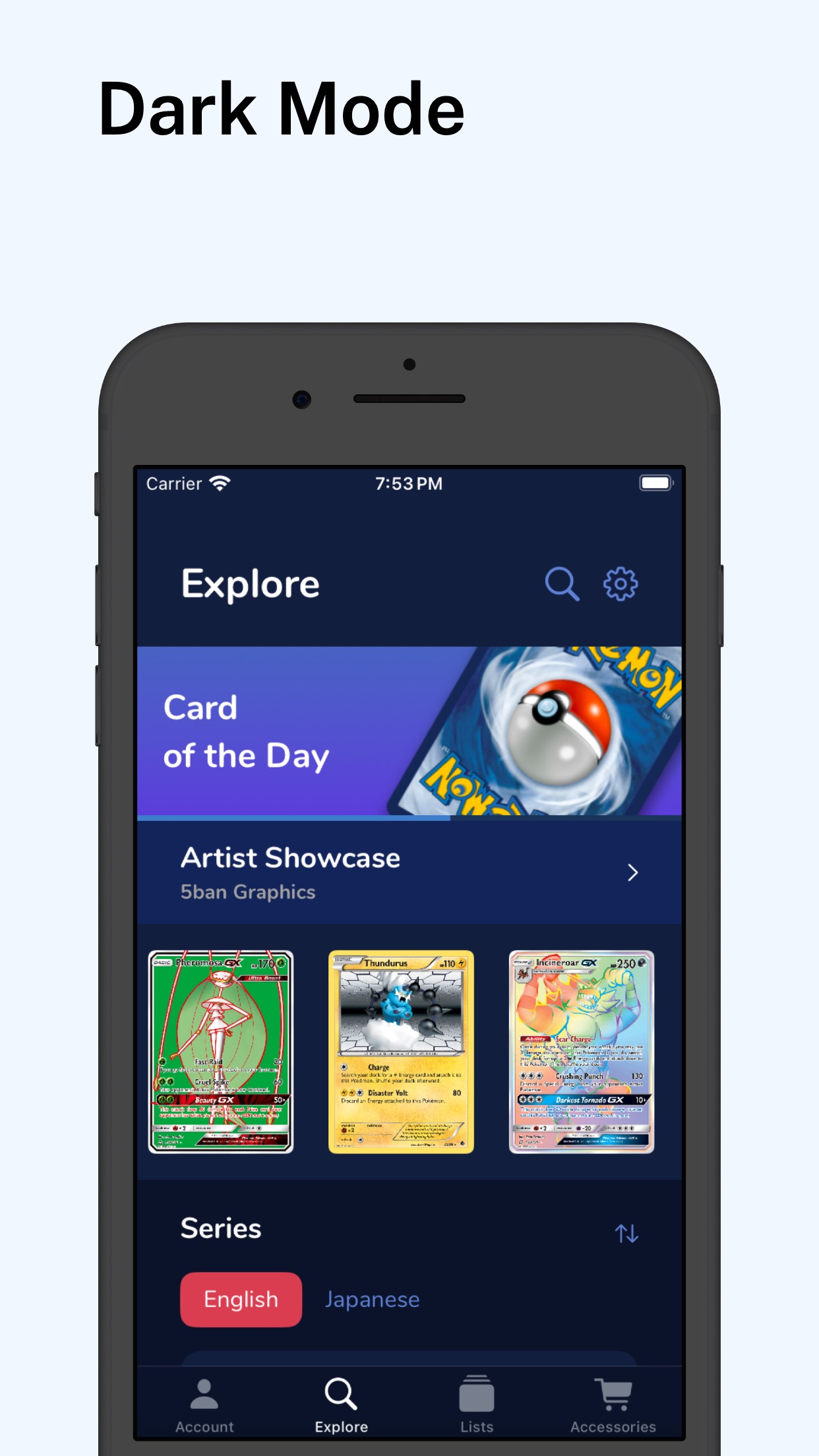
Check the numbers first. Before you spend a cent on grading, scan the card with the Pokémon card value checker to see its raw price and its graded prices (PSA, BGS, CGC, SGC) side by side. If the gap does not clearly beat the grading cost, keep the card raw.
What grading is and the 1–10 scale
Professional grading means sending a card to a third-party company that inspects it, assigns a numeric condition grade, and seals it in a labeled, tamper-evident case (a “slab”). Graders judge four main factors: centering, corners, edges, and surface.
The industry standard is a 1 to 10 scale:
- 10 (Gem Mint) - essentially flawless. Commands the biggest premium.
- 9 (Mint) - excellent with only the tiniest imperfection.
- 8 (Near Mint–Mint) and below - visible wear increases as the number drops.
The jump in value between a 9 and a 10 can be dramatic for sought-after cards, which is exactly why grading is a gamble: you are betting the card grades high enough to justify the cost.
The main grading companies
Four graders dominate the Pokémon world:
- PSA (Professional Sports Authenticator) - the most widely recognized and, crucially, the most liquid for Pokémon. PSA-graded cards typically have the deepest resale market and the strongest buyer demand.
- CGC (Certified Guaranty Company) - a strong, respected alternative with a large following in trading cards.
- BGS / Beckett (Beckett Grading Services) - known for its subgrades (separate scores for centering, corners, edges, and surface) and its coveted Black Label 10.
- SGC - well regarded, especially for vintage, with a clean slab design and fast turnaround reputation.
For most Pokémon sellers, PSA’s liquidity is the deciding factor: an equivalent grade often resells fastest and highest in a PSA slab.
PSA vs CGC vs BGS comparison
| Grader | Turnaround | Subgrades | Market liquidity | Best for |
|---|---|---|---|---|
| PSA | Weeks to months (varies by tier) | No (numeric grade only) | Highest for Pokémon | Maximum resale value and demand |
| CGC | Weeks to months | Available on some tiers | Strong and growing | Solid alternative, competitive pricing |
| BGS / Beckett | Weeks to months | Yes (four subgrades) | Strong, especially for high-end | Collectors who value subgrade detail |
Turnaround and fees change constantly, so treat this as a shape-of-the-market guide rather than fixed numbers, and check each grader’s current rates and estimated times before you submit.
How to submit a card, step by step
- Pick your cards. Choose genuine high-grade candidates. Inspect each under good light for whitening on corners and edges, surface scratches, print lines, and off-center printing. A card with a visible flaw will not grade well.
- Create an account with your chosen grader and start a submission online.
- Declare each card’s value. You will enter a declared value, which determines the service tier you are eligible for and the insurance on the slab. Be realistic - check the card’s graded market price in the app so you declare accurately.
- Choose a service tier. Tiers are priced by declared value and turnaround speed. Higher-value cards require higher (more expensive) tiers; faster turnaround costs more.
- Package safely. Sleeve each card, place it in a top loader or card saver (do not tape the card), and pack rigidly with cardboard in a bubble or rigid mailer. Add tracking and appropriate insurance.
- Ship and track, then wait for grading and the slab to return.
What grading costs
As of 2026, entry and value tiers typically start around $15–$25 per card and rise with the card’s declared value and with faster turnaround options. High-declared-value cards can cost substantially more per card, and rush tiers add a premium. These figures move frequently, so always check the grader’s current published rates before committing - do not treat any single number as fixed.
Factor in shipping both ways and insurance too. The all-in cost per card is grading fee plus your outbound shipping plus the return shipping the grader charges.
Turnaround times
Expect anywhere from a few weeks to several months. Turnaround depends on the grader, the service tier you paid for, and current submission volume, which spikes around major set releases and market surges. Faster tiers exist but cost more, so build the wait into your plan - especially if you are grading to sell into a hot market.
Is grading worth it? The simple math
Here is the rule that keeps you profitable:
Grade a card only when its likely graded value comfortably exceeds grading + shipping, and the card is a genuine high-grade candidate.
Work it through:
- Estimate the graded value. Check the card’s graded price in the Pokémon price checker. Note that this assumes a strong grade - a 9 or 10. A 7 or 8 may be worth little more than raw.
- Subtract the raw value you would get by selling it as-is.
- Subtract all grading costs - the fee, both-way shipping, and insurance.
- Weigh the grade risk. If the card is not near-mint, the odds of a value-adding grade drop fast, and you can spend the fee only to confirm the card is average.
If the graded premium clearly beats the total cost and the card looks near-flawless, grade it. If it is close, or the card has visible wear, sell it raw. Our full breakdown of graded Pokémon cards goes deeper on PSA vs BGS vs CGC and reading the raw-to-graded spread.
The habit that ties it all together: check the card’s raw and graded prices in the app first. Scan it, compare the numbers, and let the spread - not hope - make the decision. Start with the Pokémon card scanner.