
Open almost any Pokémon collection and the honest truth is the same: most of the cards are worth very little, and a small handful carry nearly all the value. The skill worth having is not memorizing a price list - it is knowing which features make a card valuable so you can triage a binder quickly and pull the cards worth a closer look.
This guide is about exactly that. Rather than ranking the single most expensive cards, it walks through what Pokémon cards are worth money in general terms - the traits that drive value - so you can look at your own cards and know which ones deserve a real price check.
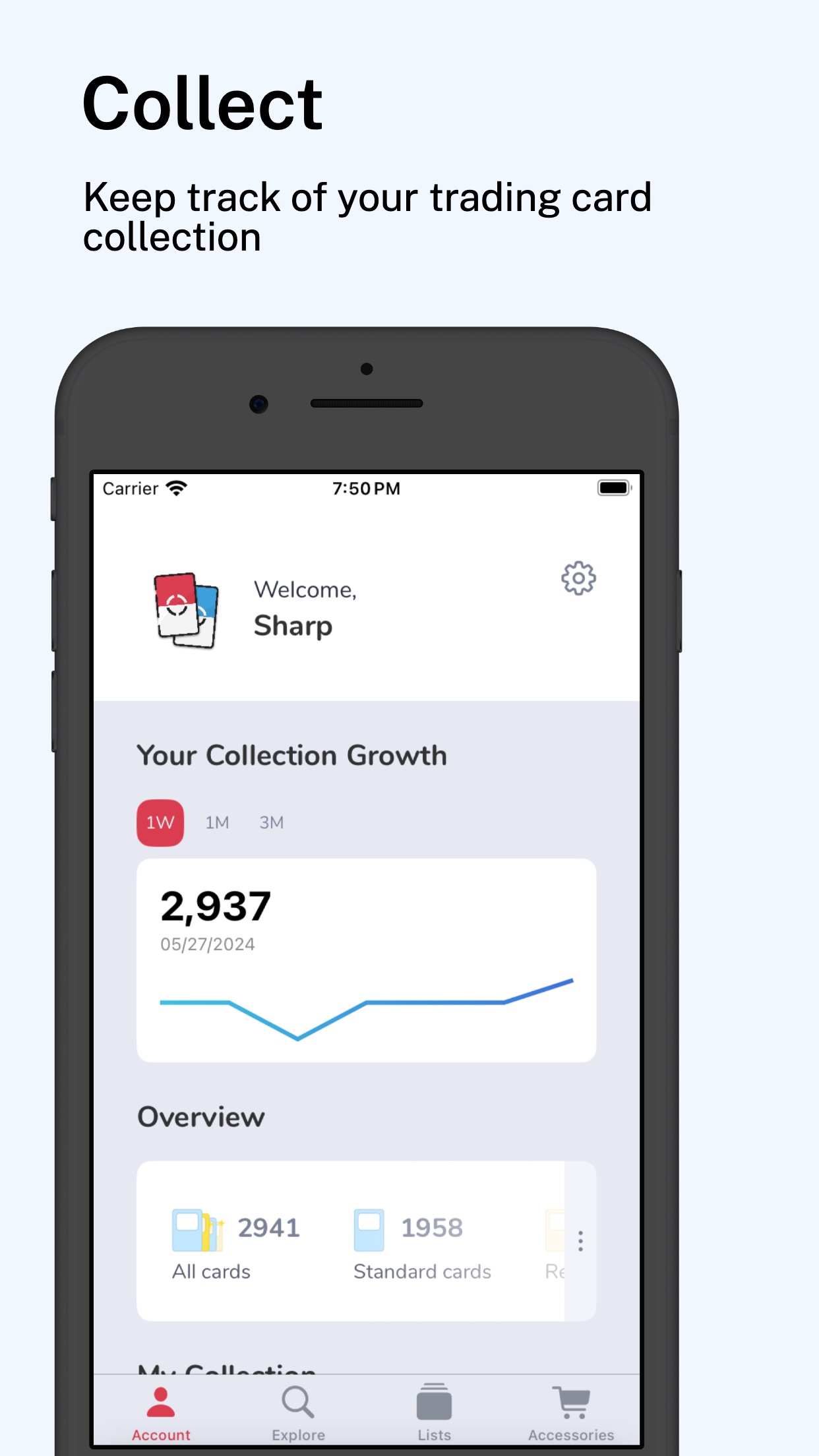
Want the fast answer? Scan a card with TCG Companion and it identifies the exact card, set and variant, then shows the current market value alongside every major graded tier. Doing a whole binder by hand takes an afternoon; scanning it takes twenty minutes.
Start with the rarity symbol
The single quickest triage signal is the rarity symbol in the bottom corner of the card. A circle means common, a diamond means uncommon, a star means rare, and there is a whole tier of special symbols above that for holo rares, ultra rares and secret rares. Common and uncommon cards are almost always low value; the interesting cards start at rare and climb from there.
Learn to read these at a glance and you can skip past most of a binder in seconds. For the full breakdown of every symbol, see Pokémon card rarity symbols explained.
Vintage: 1st edition and shadowless
Age is not automatically money, but a few vintage traits matter enormously:
- 1st Edition. Early prints (1999–2000) carry a small “Edition 1” stamp to the left of the artwork. These were printed in far smaller numbers than later “Unlimited” runs and command a serious premium.
- Shadowless. The very earliest Base Set cards lack the drop shadow along the right edge of the artwork frame. Shadowless cards sit between 1st Edition and Unlimited in value and are easy to miss.
- Condition-sensitive. Vintage value is brutally tied to condition - the same card can be worth a little or a lot depending on centering, corners and surface.
If your collection includes 1999–2002 holos, those are the cards to check first.
Holo vs reverse holo
Holofoil matters, but not all shine is equal. A true holo rare has the foil in the artwork window and is generally the more valuable version. A reverse holo has the foil on everything except the artwork - it is a nice variant but usually worth less than the standard holo of the same card, and common reverse holos are still fairly low value. Knowing the difference stops you from overvaluing a shiny common.
Chase Pokémon carry a premium
Some Pokémon are simply more collectible, and cards featuring them command a premium across nearly every era:
- Charizard - the single most sought-after name in the hobby.
- Pikachu - the mascot, with a long list of collectible and promo versions.
- Umbreon - a modern darling, especially its alt-art versions.
- Mewtwo - a perennial favorite from vintage through modern.
A card featuring one of these is worth a closer look even before you check anything else. See rare Pikachu cards for one example of how deep a single Pokémon’s lineup can go.
Modern special illustration and alt arts
In modern sets the value concentrates in the special illustration rares, alt arts and full-art secret rares. These have expanded artwork, textured finishes and much lower pull rates than the base cards in the same set. A modern set can have hundreds of cards where only a dozen or so carry real money - and they are almost always the alt arts and illustration rares. VMAX and other special mechanics also drive value in their eras; see VMAX Pokémon cards.
Promos and trophy cards
Promo cards are a mixed bag - many are cheap giveaways, but some are genuinely scarce (event exclusives, prerelease promos, sealed-product exclusives). At the very top, trophy and tournament cards given to competition winners are among the rarest in existence. If a card was never in a regular booster pack, it is worth investigating rather than assuming.
Condition and grading
For any card with real value, condition is the multiplier. The same card in near-mint versus played condition can differ dramatically in price. That is why grading exists: a high grade on a valuable card can add a substantial premium, because buyers pay for certified condition.
But grading is not free, so it only makes sense when the graded premium clearly beats the cost - usually on already-valuable cards in high-grade shape. For most cards it is not worth it. For the full picture, read graded Pokémon cards explained.
Do not forget sealed product
Value is not only in singles. Sealed product - unopened booster boxes, packs, tins and collection boxes, especially from older or short-printed sets - can appreciate significantly because the supply only shrinks as people open it. If you have anything sealed, price it sealed before you tear into it.
Be realistic: most cards are worth little
It is worth repeating, because it saves disappointment: the majority of any collection is bulk. That does not make the collection worthless - it means the value is concentrated. Your job is to find the concentration, not to expect every card to be a hit. For the baseline reality check, see are Pokémon cards worth anything?, and if you want the ranked list of the genuine heavy-hitters, see the most valuable Pokémon cards.
The fastest triage
You can work through every feature above by eye, and it is worth learning to. But the fastest way to find which Pokémon cards are worth money in your own collection is to scan. The app identifies each card’s exact set, number and variant, then shows the current raw market value alongside every major graded tier, with results that link to live listings so you can verify with real, current prices.
Run your chase Pokémon, your vintage holos and anything with a special rarity symbol through first. That handful is almost always where the money is.
Related reading
- Pokémon Card Value Checker - scan and triage a whole binder fast
- The most valuable Pokémon cards - the ranked heavy-hitters
- Are Pokémon cards worth anything? - the baseline reality check
- Pokémon card rarity symbols - read value at a glance
- Graded Pokémon cards explained - when grading is worth it
- How to sell Pokémon cards